If you've ever tried to pour concrete during a Utah heat wave or lay sod after an October freeze, you already know: timing is everything. Utah's climate is brutal on landscaping projects. We deal with triple-digit summers along the Wasatch Front, sub-zero winter stretches, unpredictable spring mud seasons, and a narrow fall window where everyone is scrambling to finish before the snow flies.
The best time to install landscaping in Utah depends entirely on what you're installing. Turf, concrete, pavers, sod, hardscaping, and irrigation systems all have different ideal windows — and different risks if you miss them. After years of building landscapes across Davis, Salt Lake, and Utah Counties, here's what we've learned about when to schedule each type of project.
Spring (March–May): Best for Sod and Irrigation
Spring is when most Utah homeowners start thinking about their yards, and for good reason. The ground thaws, soil becomes workable again, and there's enough natural moisture to help new plantings establish roots.
Sod Installation
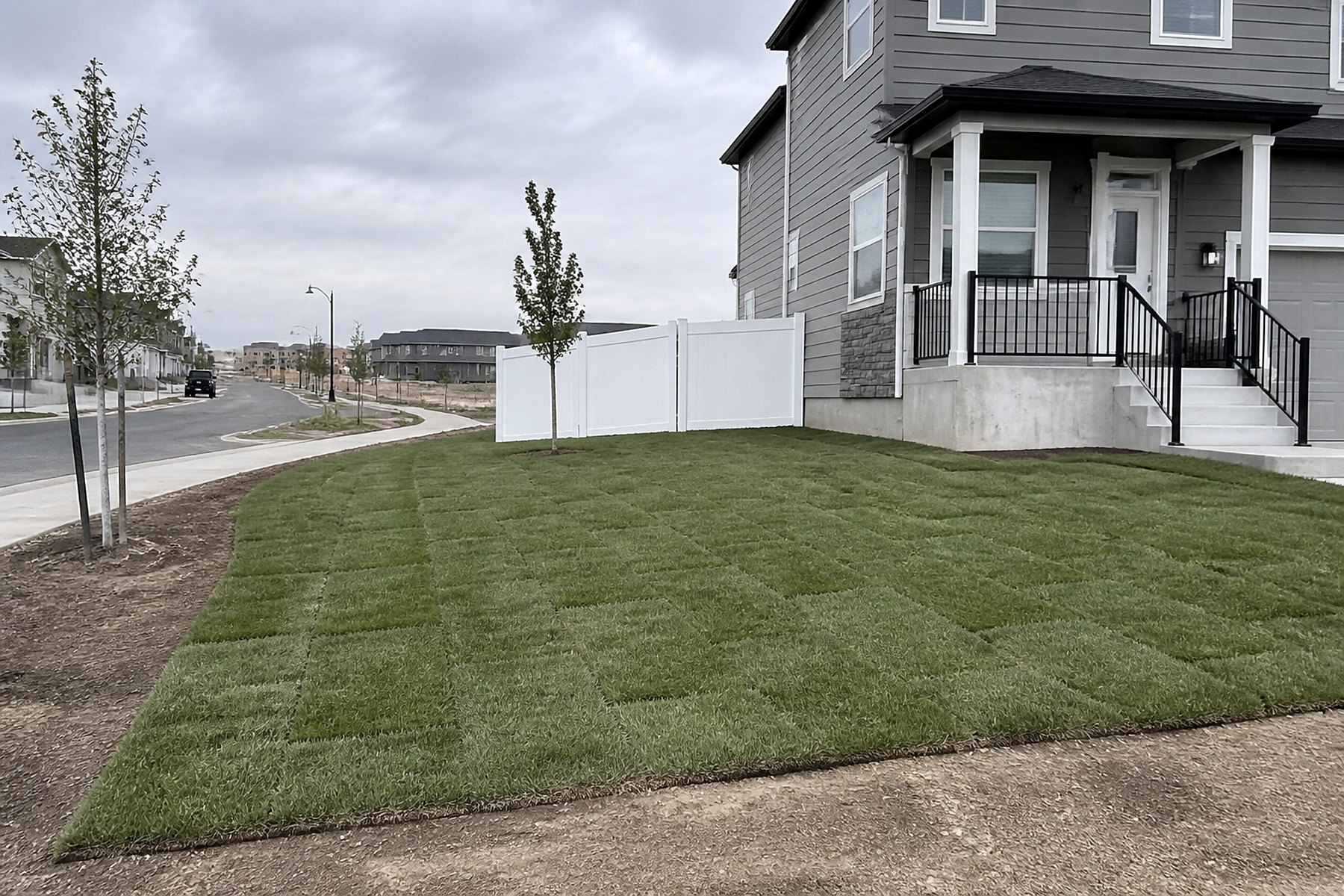
April and May are the best months for sod installation along the Wasatch Front. The soil temperatures are warm enough for root development (above 50°F consistently), and the cooler air temps mean the sod doesn't dry out as fast as it would in July. New sod needs consistent watering for the first 2–3 weeks, and spring conditions make that easier to manage without running your water bill through the roof.
March is technically possible, but it's a gamble. In areas like Layton, Farmington, and Kaysville, March soil can still be saturated from snowmelt. Working in mud damages soil structure and leads to uneven settling. We've seen too many yards where someone rushed a March install and ended up with low spots and drainage problems by summer. If you're planning a spring sod project, target the second week of April at the earliest.
Irrigation Systems
Spring is also the ideal window for irrigation system installs. You want the system in before the heat arrives so your lawn and plants aren't stressed from day one. Trenching is straightforward once the frost line clears (usually mid-March in the valleys, later at higher elevations). If you're combining sod and irrigation — which we recommend — plan to have irrigation done first so the sod gets water immediately after it's laid.
Summer (June–August): Peak Season for Turf, Pavers, and Concrete
Summer is the busiest season for landscape construction in Utah, and it's the best time for several major project types. Long days, dry conditions, and predictable weather mean fewer delays and faster completion times.
Artificial Turf
Artificial turf installation thrives in summer conditions. The base material compacts well in dry weather, adhesives cure properly, and there's no rain to slow down the process. A typical residential turf install takes 1–3 days depending on the size, and summer's extended daylight lets crews maximize each day.
If you're weighing the costs of artificial turf, take a look at our Utah turf pricing breakdown to understand what to budget for materials and installation.
Pavers
Paver patios and walkways are another summer strength. The excavation, base prep, and sand leveling all go smoother when the ground is dry and stable. Rain during a paver install can wash out the bedding sand and set the project back days. Utah's dry summer months — especially June and July — give us the most reliable conditions for paver work.
Concrete
Concrete patios and driveways also do well in summer, but with an important caveat: extreme heat changes how concrete behaves. Concrete cures through a chemical reaction called hydration, and when air temps exceed 95°F, the surface can dry too fast. This causes shrinkage cracking and weakens the finished product. During July and August heat waves — when we regularly hit 100°F+ in the valleys — we schedule concrete pours for early morning (before 8 AM) or shift to evening pours when possible.
June is arguably the best month for concrete work in Utah. Daytime highs are typically in the 80s and low 90s, which is right in the sweet spot for proper curing.
The Scheduling Reality
Here's what most homeowners don't realize: summer crews fill up fast. By mid-May, most reputable landscape contractors in the Salt Lake and Davis County areas are booked 4–6 weeks out. If you want a summer install, you need to be calling in March or April. Every year we have homeowners reaching out in July hoping for an August install, and the honest answer is usually "we can get you on the schedule for September." Plan ahead.
Fall (September–November): Best for Retaining Walls and Hardscaping
Fall is an underrated season for landscaping in Utah, and it's our top recommendation for hardscaping and retaining wall projects.
Why Fall Works So Well
September and October along the Wasatch Front bring daytime highs in the 60s and 70s — comfortable working conditions that are easier on crews and materials. The ground is dry and firm from summer but hasn't frozen yet. And critically, demand drops off after Labor Day. That means shorter wait times, more scheduling flexibility, and faster project turnaround.
Retaining walls benefit from fall conditions because the block, stone, or concrete has time to settle and compact before the freeze-thaw cycles of winter. A retaining wall installed in October has 4–6 weeks to settle naturally before the first hard freeze, which is ideal for long-term structural performance.
Fall Concrete
Fall is also excellent for concrete work. The ideal curing temperature range for concrete is 50–80°F, and September through mid-October in Utah sits right in that window. Concrete poured in fall conditions typically reaches higher ultimate strength than concrete poured in the July heat because the slower cure rate allows for more complete hydration. If you're not in a rush and want the strongest possible driveway or patio, fall is your best bet.
The November Cutoff
November is where things get risky. Night temps start dipping below freezing, and the first snow can arrive any time after Halloween in the northern valleys. We generally stop scheduling new concrete and hardscaping projects by the third week of October to make sure we have a buffer. Concrete that freezes before it reaches sufficient strength (typically 500 PSI, which takes about 48 hours in ideal conditions) can be permanently damaged.
Winter (December–February): Plan, Design, and Lock In Pricing
Winter is not installation season in Utah. Frozen ground, snow cover, and unpredictable temperatures make most outdoor construction impractical from December through February. But that doesn't mean winter is wasted time — it's actually the smartest time to plan.
What You Can Do in Winter
Use the off-season to finalize your project design, get quotes, and secure your spot on the spring or summer schedule. Contractors have more time for consultations and detailed estimates in January and February than they do in June. You'll get more thoughtful design work and more attention to your project when your contractor isn't juggling 15 active installs.
Some concrete work is technically possible during winter warm spells — Utah occasionally gets stretches of 45–55°F days in January or February. But the risk of overnight freezing during the critical cure period makes it a gamble we generally don't recommend. If the forecast shows lows below 35°F within 72 hours of a pour, it's not worth it.
Lock In Spring Pricing
Material costs in the landscaping industry typically increase in spring when demand spikes. Suppliers raise prices on everything from concrete mix to paver pallets as the season ramps up. By reaching out during winter, you can often lock in current pricing for a spring install. Some contractors — including us — offer scheduling priority to customers who commit during the off-season.
When to Book Your Project
Here's a straightforward scheduling guide based on what we see every year:
- Spring sod or irrigation install: Book in February or early March. Crews start filling spring slots fast once the weather breaks.
- Summer turf, pavers, or concrete: Book by April at the latest. By mid-May, most contractors are booked through July. If you call in June for a summer install, expect a 6–8 week wait.
- Fall hardscaping or retaining walls: Book in July or August. Fall is a shorter window (essentially September and October), so spots fill quickly once people realize it's an option.
- Winter planning and design: Reach out anytime from November through February. This is the easiest time to get on the phone with a project manager and work through designs without rush.
The general rule: book 4–6 weeks ahead during peak season (May through September). During the off-season, 2–3 weeks of lead time is usually sufficient.
Get Your Project on the Schedule
Whether you're planning a full backyard transformation or a single concrete patio, the right timing makes a real difference in quality, cost, and how quickly you can get it done. Don't wait until you're competing with every other homeowner in Davis County for the same two-week window in June.
Contact Sol Scapes today for a free quote. Tell us what you're thinking, and we'll help you figure out the best time to schedule it — and get you locked in before the rush.